Sewage Cleanup in Sandy Springs & North Fulton, GA
Take the next step for your home
Tell us your concern. We'll check local contractor availability.
No referral fee · No obligation to hire
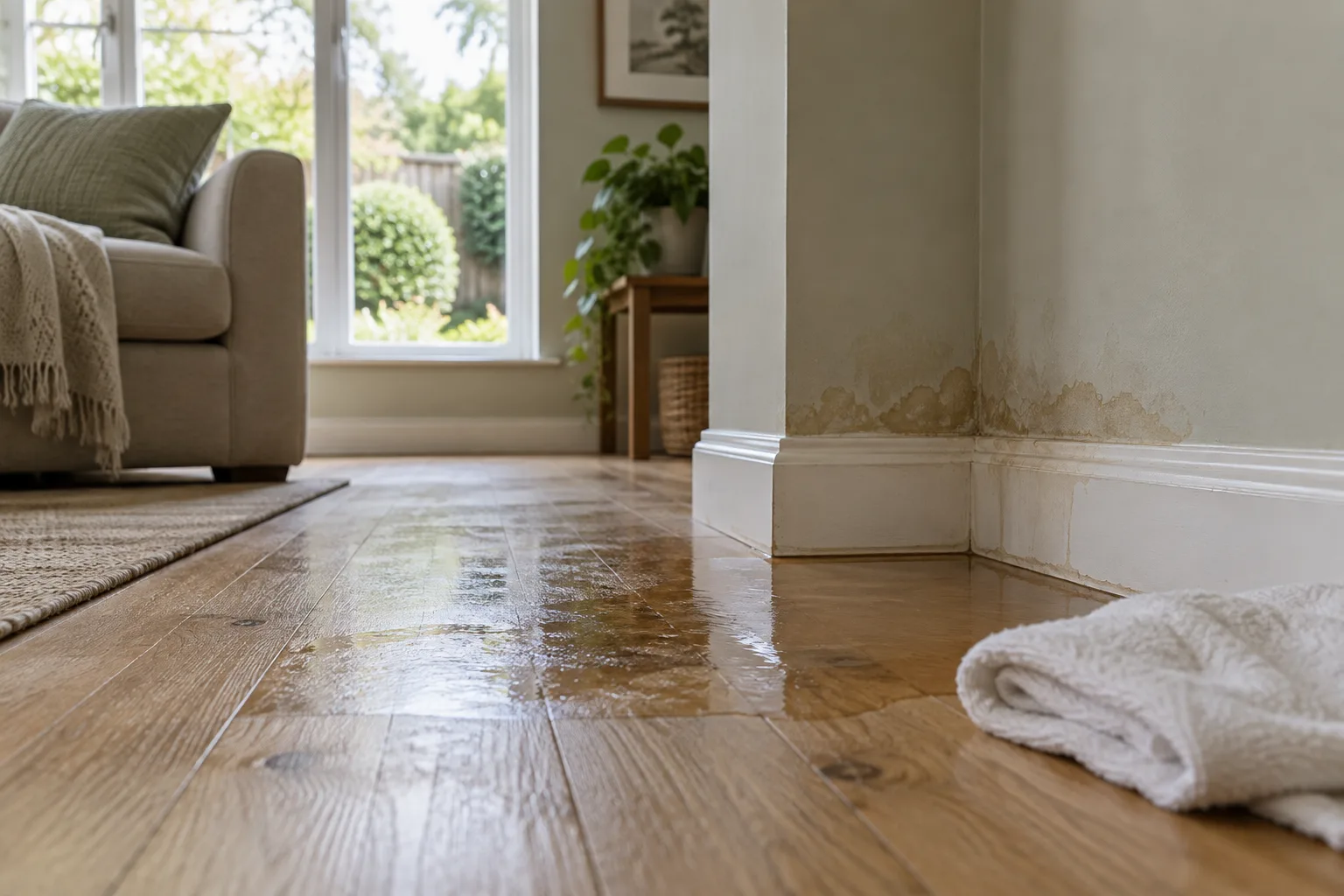
What does sewage cleanup involve?
Sewage cleanup is the safe extraction, removal, and disinfection of contaminated water and materials after a sewer backup or overflow. Because raw sewage carries dangerous pathogens, it requires protective equipment, professional disinfection, and disposal of contaminated porous materials, not ordinary cleaning.
North Fulton Water Damage Pros is a disclosed marketing and referral service operated by Stratum Relay LLC, a Georgia company. We are not a contractor and do not perform any cleanup ourselves. We help homeowners request an introduction across Sandy Springs, Roswell, Dunwoody, and the rest of North Fulton with a local sewage cleanup contractor who may do the actual work. You pay nothing for the connection; we may receive a referral fee if a contractor accepts an introduction.
A sewage event is not a job for a mop and bucket. A contractor may extract contaminated water, remove saturated porous materials like drywall and carpet, apply antimicrobial treatment, and dry the structure. Every step follows professional protocols because the health risk is real.
Because sewage water spreads fast, a contractor is typically equipped for emergency response (availability varies; confirm directly with a contractor). If standing contaminated water is present, professional water extraction is the urgent first move.
- Extraction of contaminated black water with specialized equipment
- Removal and disposal of saturated porous materials
- Antimicrobial treatment and disinfection of affected surfaces
- Structural drying to prevent secondary moisture damage and mold
- Documentation for insurance and safe, compliant disposal
Why is sewage considered Category 3 "black water" and a health hazard?
Sewage is classified as Category 3 "black water" because it is grossly contaminated with bacteria, viruses, and other pathogens. Direct contact or even airborne exposure can cause serious illness, so it must be handled with protective equipment and professional disinfection, never treated like clean water.
The restoration industry sorts water by contamination level. Category 1 is clean water, Category 2 is "gray water" with some contamination, and Category 3 is grossly unsanitary black water that may contain raw sewage, harmful microorganisms, and toxins. A sewage backup is the textbook example of Category 3.
Exposure risk is what makes this so serious. Black water can carry bacteria and viruses that cause gastrointestinal and respiratory illness, and contaminated materials can keep off-gassing and harboring pathogens until they are removed. This is why a contractor may follow the IICRC S500 water damage standard and uses full protective measures.
Contamination also tends to multiply problems. Sewage soaks into the subfloor, wall cavities, and framing, and the leftover moisture invites mold remediation needs within days if the area is not properly dried and disinfected.
What commonly causes a sewage backup in North Fulton homes?
Common causes of sewage backups in North Fulton include municipal or main-line sewer backups, toilet overflows, failed sump or ejector pumps, and storm-driven backups during heavy rain. Aging pipes and tree-root intrusion in older Fulton County neighborhoods make these events more likely.
Several failure points can send sewage into your home. A blockage in the city sewer or your main line can push waste back through the lowest drains, while a toilet overflow can flood a bathroom quickly. In basements, a failed sump pump or ejector pump removes the last line of defense against rising water.
Weather is a major factor in our region. Heavy storms across Atlanta and the Chattahoochee River basin can overwhelm sewer capacity, forcing storm-driven backups into homes in Brookhaven, Alpharetta, and Johns Creek. A backwater valve can reduce that risk, but not every home has one.
Whatever the cause, the response is the same: stop using water, keep people and pets away, and get a professional on site. An water damage assessment lets a contractor confirm the source and scope before cleanup begins.
How does the sewage cleanup and disinfection process work?
The process moves from extraction to disinfection to drying: remove the contaminated water, tear out and bag saturated porous materials, apply antimicrobial disinfection to all affected surfaces, dispose of waste safely, then dry the structure to a verified standard so no hidden moisture remains.
First, the contaminated water is removed. A contractor may use professional extraction equipment to pull out black water, then removes porous materials such as drywall, carpet, padding, and insulation that cannot be safely disinfected. These materials are bagged and disposed of according to safe-handling rules.
Next comes disinfection and drying. A contractor applies antimicrobial treatment to remaining surfaces, runs HEPA filtration to clean the air, and then begins structural drying with air movers and dehumidifiers. Psychrometric readings and moisture mapping confirm the area reaches a documented dry standard.
Throughout the job, a contractor may document conditions for your claim. Thorough water damage restoration paperwork helps establish that the loss was sudden and accidental, which can matter for coverage.
- Extract contaminated water with specialized pumps and equipment
- Remove and bag saturated porous materials for safe disposal
- Apply antimicrobial disinfection and HEPA air filtration
- Dry the structure and verify with psychrometric readings
- Document the cause and extent for insurance claim support
How much does sewage cleanup cost in the Atlanta market?
As a labeled estimate for the Atlanta market, sewage cleanup typically ranges from $2,000 to $10,000. The wide range reflects how much contamination, material removal, and disinfection a given event requires. Actual pricing depends on an on-site inspection and written estimate.
That $2,000 to $10,000 figure is a typical range for the Atlanta market, not a quote. A contained toilet overflow on a hard floor sits near the low end, while a basement flooded with sewage that soaks the subfloor, drywall, and contents climbs toward the high end. The real number depends on an on-site inspection.
Sewage cleanup often costs more than ordinary water cleanup because of the contamination involved. More porous materials must be removed and disposed of, more disinfection is required, and protective protocols add labor. A contractor explains all of this transparently before any work begins.
Fortunately, the inspection fees and written-estimate terms are set by a contractor, and a contractor can document the loss for your insurer. Many sewage events tied to a covered cause qualify for help with the restoration costs.
Why is DIY sewage cleanup unsafe, and when should I call?
DIY sewage cleanup is unsafe because Category 3 black water carries pathogens and contamination spreads into materials you cannot fully disinfect. Keep everyone away and contact an available restoration provider or emergency services as appropriate right away. Our referral form does not dispatch or guarantee a crew; confirm availability, scope, and fees directly.
Handling raw sewage without proper protection, containment, and disinfection puts your health at risk and can spread contamination through your home. Household cleaners cannot reliably disinfect saturated drywall, carpet, or framing, and improper disposal can violate safe-handling rules. This is genuinely a job for trained professionals.
Time also works against you. Pathogens multiply and moisture migrates into wall cavities and the subfloor within hours, so a delayed response often means a bigger, costlier job and a higher chance of needing mold remediation later.
The safest move is to keep everyone away from the contaminated area and contact an available provider or emergency service right away. You may also use the emergency water damage help form to request an introduction, but it does not dispatch or guarantee a crew; scheduling is arranged directly.
Frequently asked questions
Does North Fulton Water Damage Pros do the sewage cleanup itself?
No. North Fulton Water Damage Pros is a disclosed referral service operated by Stratum Relay LLC. We may introduce you to an available local sewage cleanup contractor who may perform all of the actual extraction, disinfection, and drying.
Why is sewage water more dangerous than other water damage?
Sewage is Category 3 black water, grossly contaminated with bacteria, viruses, and other pathogens. Contact or airborne exposure can cause serious illness, so it requires protective equipment and professional disinfection rather than ordinary cleaning.
Can I clean up a sewage backup myself?
It is not recommended. Black water carries health hazards, and household cleaners cannot reliably disinfect saturated porous materials. For safety, keep everyone away and let a local contractor handle extraction, disposal, and disinfection.
How much does sewage cleanup cost?
As a labeled estimate for the Atlanta market, sewage cleanup typically runs $2,000 to $10,000, depending on contamination and material removal. A contractor may offer an on-site assessment and written estimate; confirm whether it is offered, what it includes, any fee, and the terms directly before work begins.
Is help available 24/7 for a sewage emergency?
You can request a referral at any hour, and some contractors in this field offer emergency response at any hour, but availability varies and must be confirmed directly, because sewer backups and overflows can happen any time. We do not guarantee a response time; scheduling is arranged directly between you and a contractor.